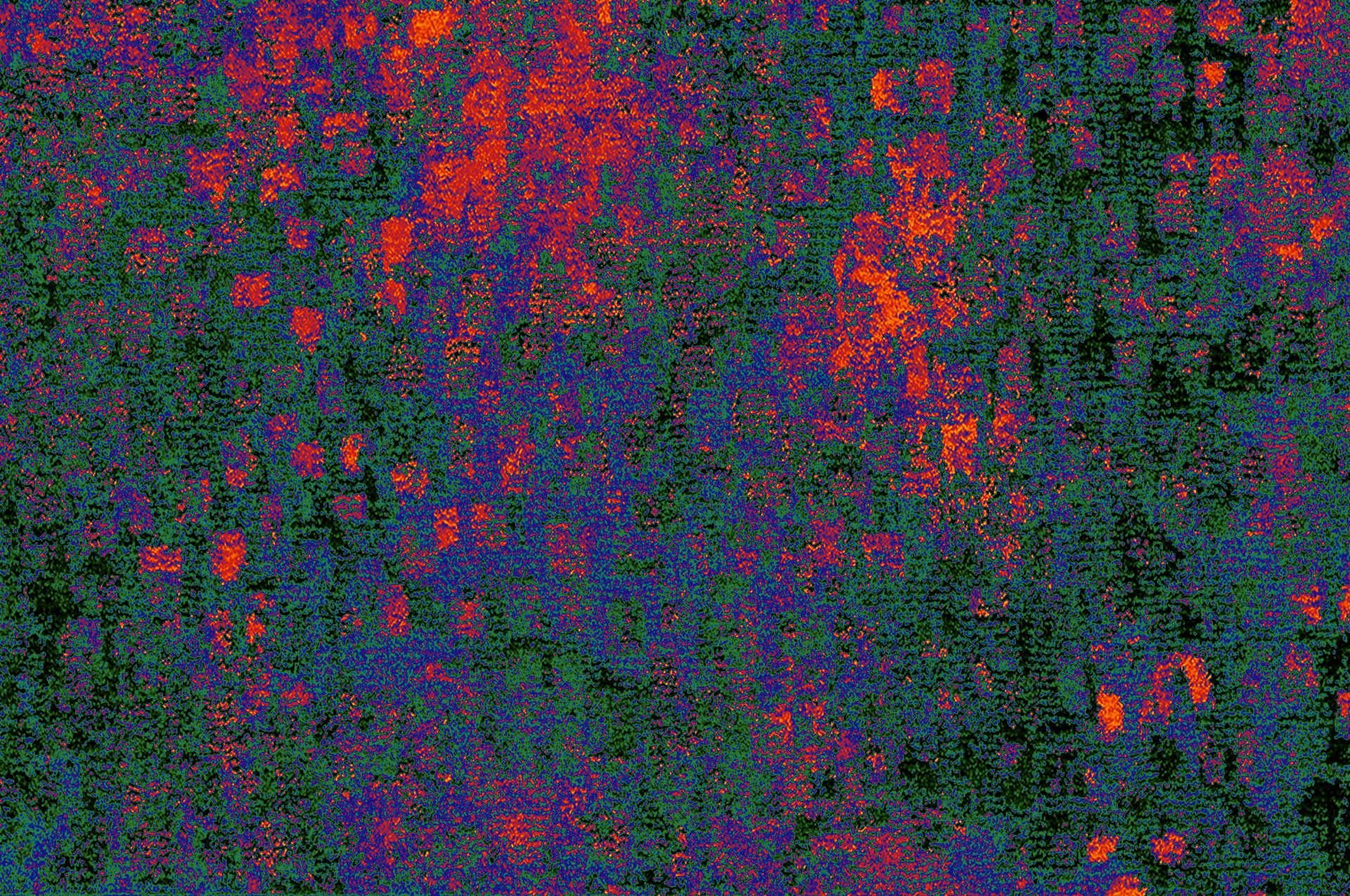
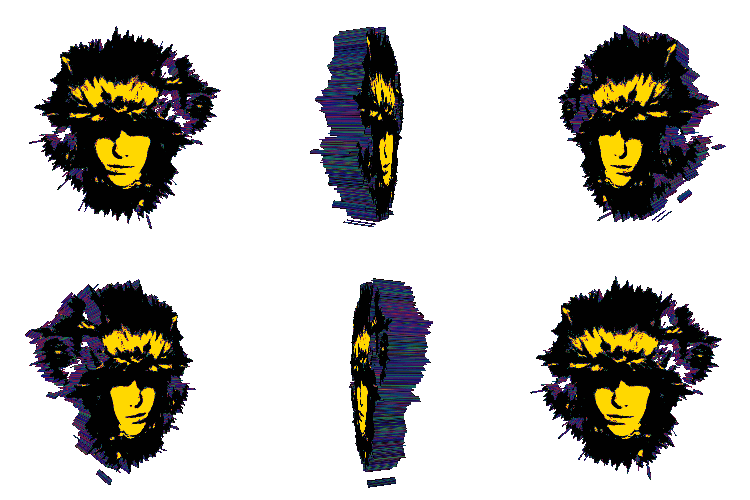

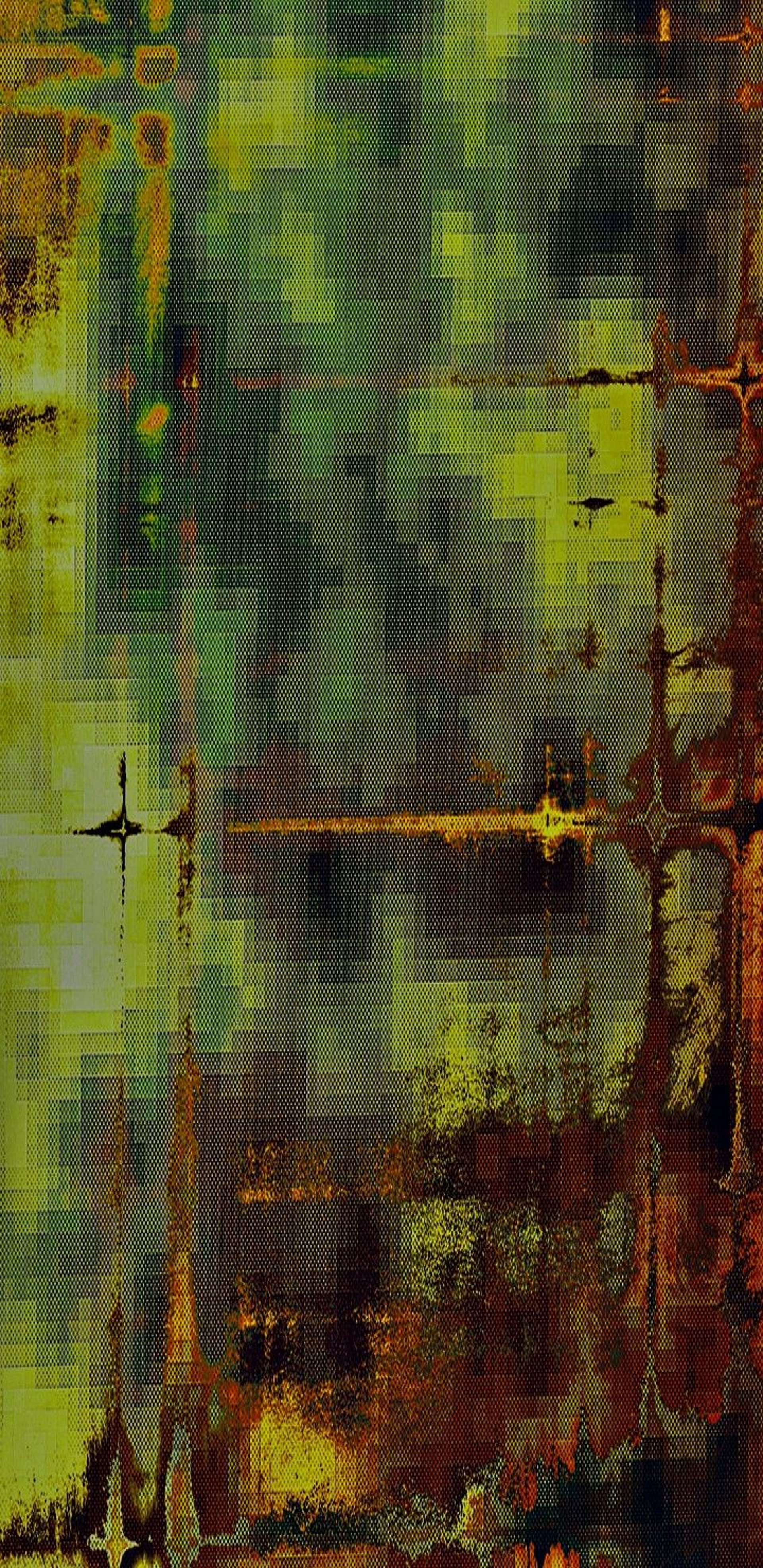
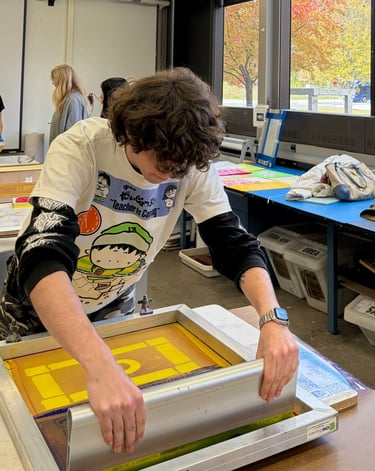
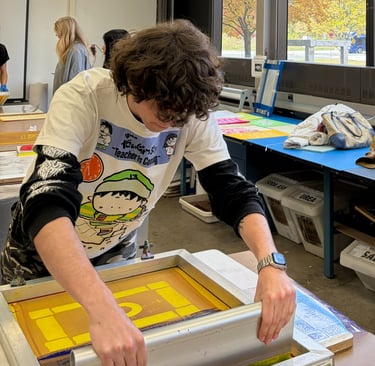
My creative process is driven by my instincts, memory, and my ability to adapt rather than a preconceived concept. Through sensory overstimulation, improvisation, and self-imposed limitations, I use personal experience as material and treat each piece as a problem to solve and a question to answer. Rather than aiming for a fixed image, I work from “dirty canvases,” letting structure and spontaneity coexist so the work can reveal my evolving artistic identity.
For the longest time, my portfolio lacked an underlying narrative and cohesiveness, but I recognized the imagery and ideas that I wanted to represent. I often found myself overworking my paintings, and I was never particularly attracted to the designs I created. My relationship with art felt like I was commissioning myself to do work that I didn't want to do. This lack of direction began to diminish my passion for art, and I realized I needed to rediscover my drive to create. With this in mind, the first thing I did was copy someone else. Experimental artists like Basquiat were known for blasting music, movies, television, and whatever other noises were inspiring at the time. This allowed for more free will in creating experimental and abstract forms. Flooding multiple senses can stimulate different areas of the brain, leading to a more dynamic and innovative creative process. This type of purposeful overstimulation can trigger emotions and memories, which drives the creative process.
Memories often serve as my primary source of inspiration; I have a much more compelling relationship with my art when it's based on experiences and emotions that I've already felt. My work often reflects my relationship with humanity, the environment, and myself. My memories provoke a wide range of feelings that influence the themes, colors, and forms in my work. By tapping into these personal experiences, I reveal/relive events that were previously dormant in my life. This therapeutic relationship with art completely changed how I viewed my creative process, and by approaching art in this way, I find it easier to create art when I challenge myself. My creative process has developed into asking myself a question, with the art I make being the answer. As a problem-solver, I produce my best work under pressure or under constraint. By forcing myself to think outside the box to find unique solutions, I often develop new ideas that inspire creative breakthroughs. I found that the best work I'd created was done while developing new skills or artistic techniques. When embracing limitations, I can focus my energy and creativity in a more directed and intentional direction, resulting in more original artwork/ideas.
While developing my creative process, with these ideas of limitations in mind, I started to introduce uncontrolled elements to my work. This included prep and markmaking which was unprompted and, in most cases, unseen. With this in mind, sometimes a blank canvas is worse than a dirty one. This type of creative constraint can seem limiting, but I find that it pushes me to explore unconventional solutions. Thinking about art this way has developed my creative process into a continuous exploration of my own style and identity, leading to work that is continuously built upon.
While developing my creative process, with these ideas of limitations in mind, I started to introduce uncontrolled elements to my work. This included prep and mark making, which was unprompted and, in most cases, unseen. With this in mind, sometimes a blank canvas is worse than a dirty one. This type of creative constraint can seem limiting, but I find that it pushes me to explore unconventional solutions. Thinking about art this way has developed my creative process into a continuous exploration of my own style and identity, leading to work that is continuously built upon. Of course, in my process, this “blank canvas” is literal, but it can also be seen as metaphorical. With this in mind, a blank canvas can represent a lack of creative direction and self-confraint. A dirty canvas has been toned by your artistic background and honed by your creative constraints. Once you view constraints as elements that can drive your creative narrative rather than limitations, you become free to explore your artistic identity with self-guidance.
When work is done without any prior thought as to what the final piece will look like, you're free to improvise and adapt to feelings or ideas that present themselves through your creative process. The ability to make spontaneous decisions improves your creative instincts and shows great strength as an artist. Intuition plays a crucial role in guiding these spontaneous decisions. It lets you use your subconscious as inspiration, drawing on past experiences and emotions to shape your work. By viewing art through this lens, you leave yourself open to spontaneous ideas that could further develop your art. In order to prompt even more of these opportunities for adaptation, I find it easier to start a painting when the first marks are uncontrolled. When elements of a painting are unconstrained, you allow the painting to develop its own narrative, often leading to unexpected outcomes. This helps me break through creative blocks and create without fear. I always want my art to express a sense of freedom, and my process reflects that. This fosters a deeper relationship with my work, as each piece becomes a reflection of my ability to adapt and express my authentic identity.

Luke Moyer
+269-588-9838
AKALukeMoyer@gmail.com